
AI_workforce_management_guide_Hero

The practical guide to AI in workforce management

Forecasting, scheduling optimisation, and human-led decisions — without the hype.
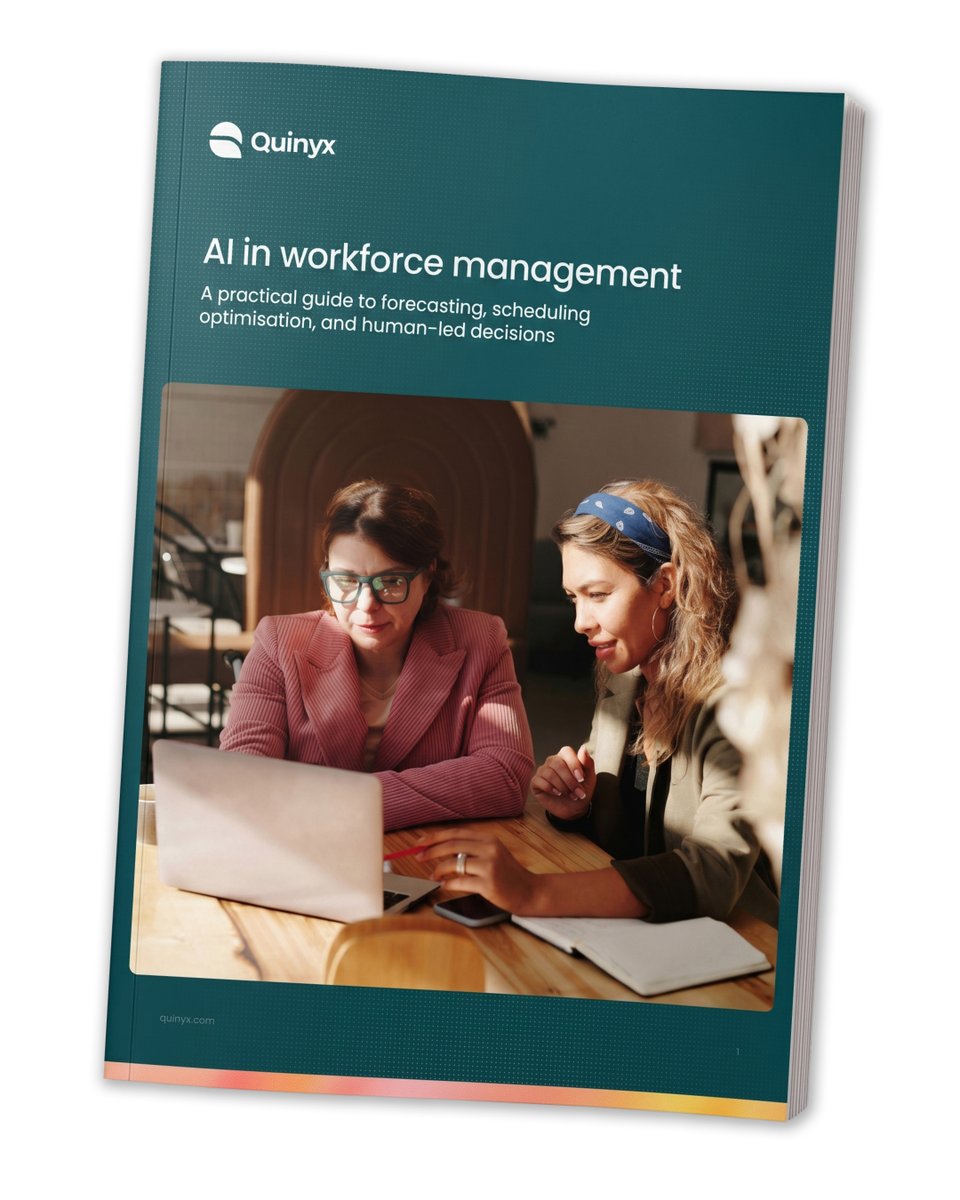
AI_workforce_management_mockup

AI is reshaping workforce management – but not all "AI-powered" tools solve the same problems. This guide cuts through the label and explains what these capabilities actually do, where they add value, and how to evaluate them responsibly.

You'll also explore how to evaluate AI-enabled workforce management platforms with a focus on transparency, governance, compliance, and human oversight.

Inside, you'll learn how to:

  • Evaluate AI capabilities beyond vendor claims
  • Forecast demand, workload, and absence patterns more accurately
  • Build optimised schedules that balance cost, coverage, skills, and compliance
  • Reduce manual planning, overtime, and scheduling inefficiencies
  • Keep managers in control with explainable, human-led decisions

Built for workforce leaders in frontline-heavy industries, this guide gives you the framework to make better AI decisions – and better workforce decisions as a result.

FAQ

Your questions, answered

What does AI in workforce management actually mean?

It refers to a set of capabilities – including forecasting, scheduling optimisation, rules-based automation, and generative AI interfaces – that help organisations make better workforce decisions. Not every platform delivers all four, and understanding the difference matters.

Will AI replace managers?

No. The guide explains how AI supports human judgement by surfacing better options, improving visibility, and reducing manual work – while managers remain accountable for final decisions.

How can AI improve scheduling?

AI can forecast demand, explore millions of schedule combinations, apply compliance rules, and recommend schedules that better balance cost, coverage, skills, and employee preferences.

How should organisations evaluate AI-enabled workforce management platforms?

By looking beyond the "AI-powered" label and assessing forecasting quality, optimisation flexibility, compliance controls, explainability, governance, integration, and measurable outcomes.