![<p data-pm-slice="1 1 []">Read the 2026 WFM IDC MarketScape</p>](https://hubspot-no-cache-eu1-prod.s3.amazonaws.com/cta/default/1545537/interactive-349211208934.png)

In our previous blog, Navigate 2026: Making confident workforce management decisions, we explored why workforce decisions now carry greater weight than ever.
From labour cost and compliance to employee trust and operational performance, the pressures on HR, operations, and workforce planning teams are only increasing. In what we described as the age of accountability, these decisions are more visible, measurable, and business-critical than ever before.
But understanding the shift is only the starting point.
The real question is: what do you do next?
How are other organisations navigating this complexity in practice?
Where is AI genuinely driving value?
How do you balance cost, compliance, performance, and trust when the stakes are rising?
That’s exactly why Navigate 2026 exists.
On 6 May, in Stockholm and live online, we’re bringing together the people responsible for workforce management decisions across industries to move the conversation from theory into practice.
Here are five reasons it’s worth making time for.
1. Turn big strategic questions into practical next steps
Most teams already know the pressure is growing.
Labour markets remain volatile. Cost expectations are rising. Compliance requirements continue to evolve. Employees expect greater predictability, fairness, and transparency.
The challenge is translating those pressures into action.
Navigate is designed to help you do exactly that.
Across the day, we’ll explore how organisations are responding to the challenges teams are facing right now – from using AI to improve forecast accuracy and surface risks earlier, to strengthening compliance and building schedules that better balance operational needs with employee trust.
The aim is not simply to inspire.
It’s to give you practical ideas, frameworks, and questions you can take back to your own team the very next day.
2. Learn from the organisations already navigating these trade-offs
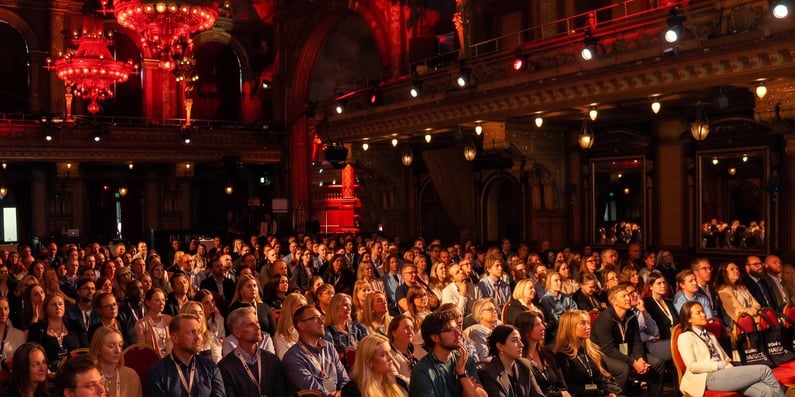
Some of the most valuable insight comes from hearing how others are managing the same tensions.
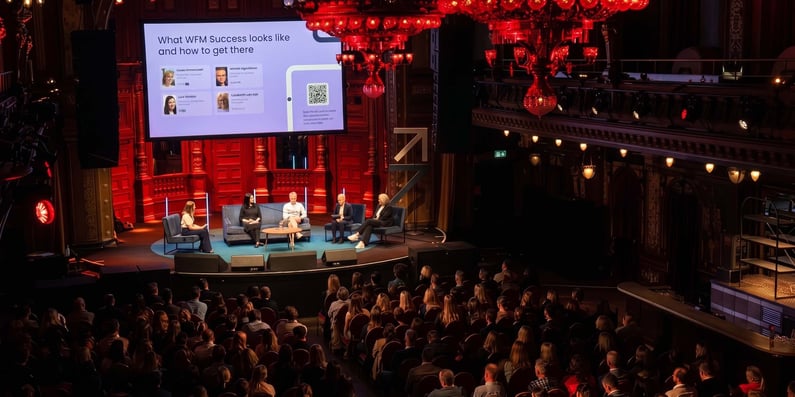
This year’s customer panel brings together speakers from leading organisations including Starbucks, Kendra Scott, and Puuilo.
They’ll share how they are balancing the realities many teams are facing every day:
- cost and service levels
- compliance and agility
- productivity and employee trust
- automation and human oversight
These aren’t hypothetical challenges.
They are the practical decisions shaping workforce outcomes every day.
Often, hearing what others have tried – and what they’ve learned – delivers the most actionable takeaways.
3. Cut through the noise around AI in workforce management
AI is one of the biggest shifts shaping workforce management right now.
But for many teams, the real challenge is understanding where it creates meaningful value.
At Navigate, we’ll take that conversation beyond the headlines.
From forecasting and scheduling optimisation to compliance visibility and faster decision support,
the sessions are designed to explore where AI is already helping teams make more confident decisions.
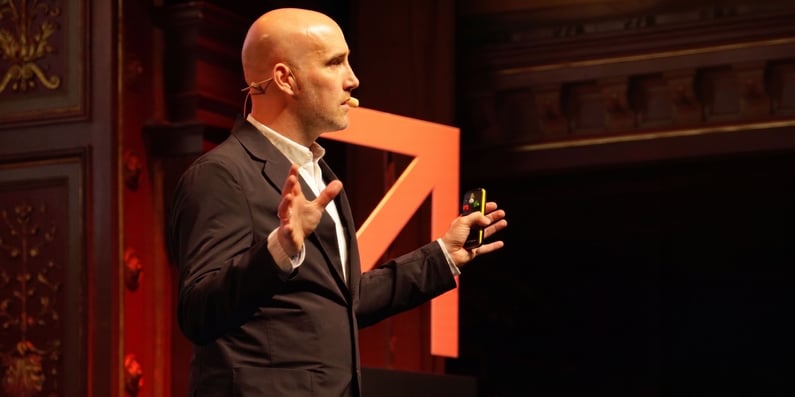
You’ll hear from Erik Fjellborg, CEO and founder of Quinyx, and Laurence Painell, Chief Product Officer at Quinyx, on how workforce technology is evolving – and what that means for the people
responsible for execution.
Later in the day, Tobias Ahlin, Principal Design Engineer at GitHub, former design lead at Mojang Studios, and an early employee at Spotify, brings an external perspective on how emerging technology is reshaping how teams work, collaborate, and make decisions.
For anyone trying to separate genuine progress from market noise, this is a conversation worth being in.
4. Gain a wider market perspective on what’s coming next
It’s easy to become consumed by what’s happening inside your own organisation.
Navigate gives you the opportunity to step back and look at the wider forces reshaping workforce management.
In our fireside conversation, an IDC guest analyst will explore the external shifts influencing workforce strategy – from economic uncertainty and labour market pressure to rising expectations around fairness, transparency, and accountability.
This broader market view helps teams benchmark their own priorities and sharpen their thinking on what comes next.
Sometimes the most valuable insight comes from understanding not just your own challenges, but the direction the wider industry is moving in.
5. Create space to think more strategically
For many HR, ops, and workforce planning teams, day-to-day delivery rarely leaves space for strategic reflection.
Navigate is designed to create that space.
A chance to step outside immediate delivery pressures.
To hear fresh perspectives.
To challenge assumptions.
To sense-check how your organisation is approaching workforce complexity against what others are doing.
Whether you join us in Stockholm or online, the day is built to help you step back from the day-to-day and think more strategically about what confident workforce decision-making should look like in 2026 and beyond.
Sometimes a few hours away from the day-to-day can unlock clarity that weeks of business-as-usual cannot.
Continue the conversation at Navigate 2026
If our first blog explored why workforce decisions matter more than ever, this is where that conversation moves into action.
Navigate 2026 is your opportunity to leave with fresh perspective, practical ideas, and greater confidence in how your organisation approaches workforce complexity.
Join us in Stockholm or online on 6 May.